About Us
TREE’s Values:
Peace – We understand peace not as the absence of conflict, but as the intentional and active practice of justice, care, and skillful conflict transformation in our relationships and systems.
Pluralism – We honour and engage with diverse identities, experiences, and worldviews, approaching diversity as an asset, and recognizing that our communities can be strengthened and enriched through difference rather than diminished by it.
Belonging – We work to create environments where people of all identities feel seen, respected, and valued, and where barriers to participation and human rights are intentionally identified and removed.
Listening to Understand – We value deep, respectful, and curious listening as a foundation for unlearning, relationship-building, learning, and resolving polarizing conflict in ways that acknowledge diverse lived experiences.
Truth-Telling, Decolonization, and Reconciliation – We commit to learning, naming, and teaching about historical and ongoing harms, challenging colonial, racist, and oppressive structures, and supporting reconciliation through accountability, learning, and action.
Let us help!
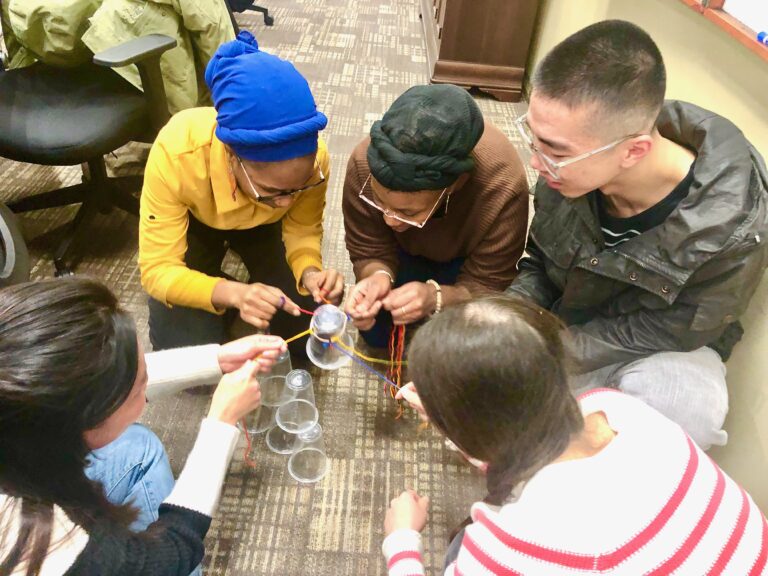
TREE’s interactive and evidence-based workshops, programming, and education result in communities, workplaces, schools, and classrooms where all identities can thrive, and experience:
- overall wellbeing
- positive mental health
- a sense of belonging
- self-regulation
- an increase in creativity, focus, and productivity
- skills for resolving conflict in peaceful and just ways
This transformative approach contributes to a reduction in violence, oppression, hate, racism, and harm.
What We Do
TREE’s interactive and evidence-based workshops, programming, and education result in communities, workplaces, schools, and classrooms where all identities can thrive, and experience:
- overall wellbeing
- positive mental health
- a sense of belonging
- self-regulation
- an increase in creativity, focus, and productivity
- skills for resolving conflict in peaceful and just ways
This transformative approach contributes to a reduction in violence, oppression, hate, racism, and harm.
Our programs are rooted in four foundational concepts:
Principles of Peace
Exploring concepts of peace and guiding participants through practical skills for peace building
in their communities
Principles of Conflict
Analysing conflict in order to transform into healthy and constructive situations and relationships
Relationship with Self
Cultivating the ability to compassionately manage emotions through mindfulness and self-awareness strategies
Relationship with Others
Developing skills for empathy, celebrating differences, effective communication, and meaningful connections
TREE Memberships and Awards
- Core Collaborator of the Kindred Credit Union Centre for Peace Advancement, University of Waterloo
- Children and Youth Planning Table of Waterloo Region
- Stronger Philanthropy
- Greater Kitchener Waterloo Chamber of Commerce
- Preferred Vendor of Ontario Camps Association
- Waterloo Region Executive Director Network
- Alliance for Peacebuilding
- Global Peace Education Network
- Member of Region of Waterloo Community Safety and Wellbeing Plan
- Honourable mention award for Impact on Equity, Diversity, and Inclusion from the UWaterloo’s CEE Employer Impact Awards
Territorial Acknowledgement
TREE’s members work, live, and play on the traditional territory of the Chonnonton, Anishinaabe, and Haudenosaunee Peoples, specifically the Mississaugas of the New Credit and since 1784, the Six Nations of the Grand River. We are situated on the Haldimand Tract, the land promised to the Six Nations that includes ten kilometres on each side of the Grand River.
Land acknowledgements do not exist in a past tense, or historical context; colonization is a current, ongoing reality. We, at TREE, are actively building our awareness of our present participation in colonization, and are intentionally taking action towards Decolonization, Reconciliation, Relationship-Building, and Indigenization.
